G
N
U

29 September 2026— 10 January 2027
Women’s Faces from the Museo dell’Ottocento
29 September 2026 – 10 January 2027
From 29 September 2026 to 10 January 2027, the Galleria Nazionale dell’Umbria enriches its itinerary dedicated to the representation of the female figure in Italian painting of the second half of the nineteenth century with a new addition, by an important painting by Rubens Santoro, a landscape painter known for his vibrant and luminous style, made possible by the continuation of its collaboration with the Museo dell’Ottocento in Pescara – Fondazione Di Persio Pallotta.
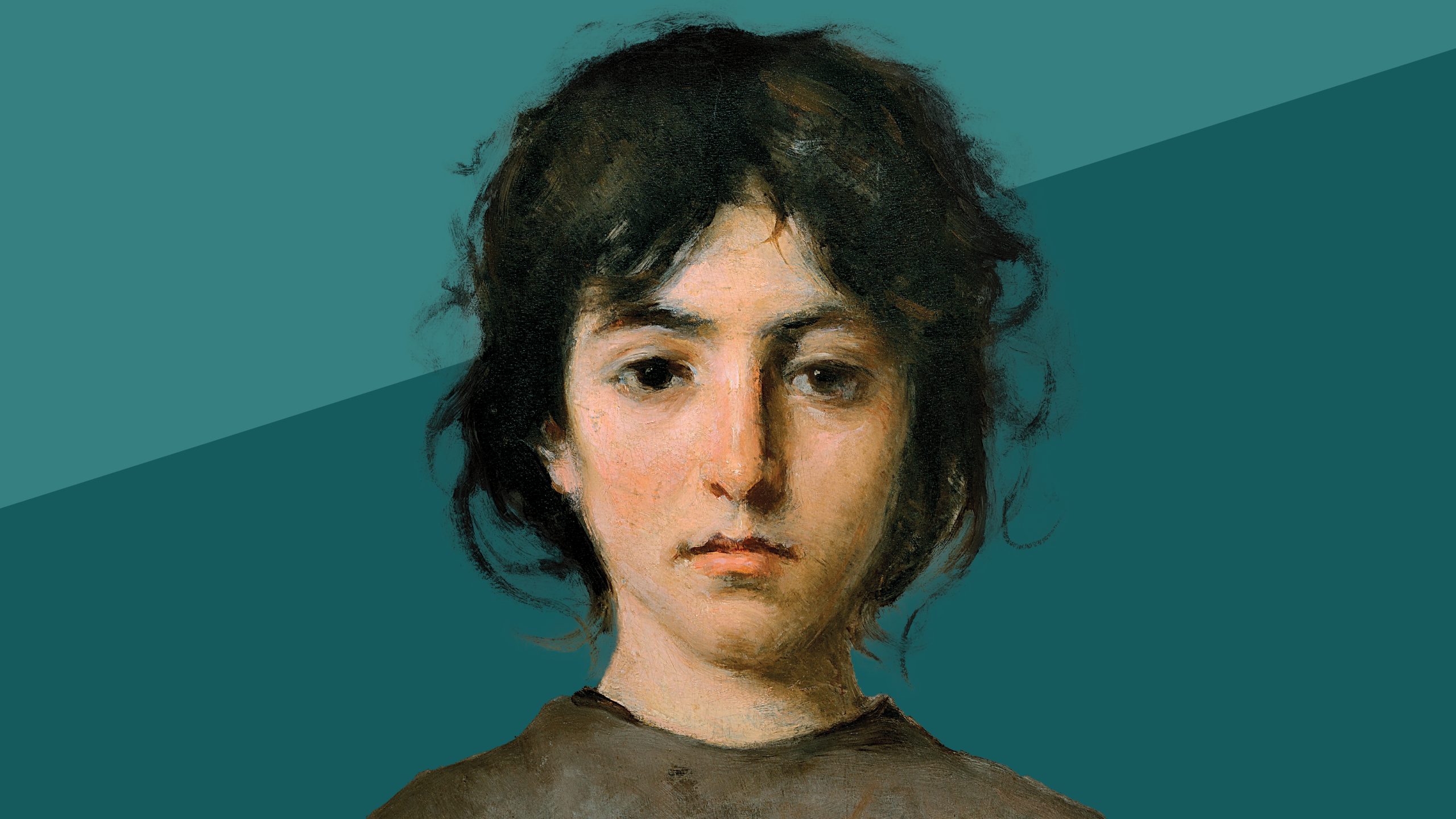
Through a gallery of faces, figures and characters, the exhibition explores the complexity of Italian artistic approaches in the second half of the nineteenth century. The variety of gazes, attitudes and interpretations reveals the extraordinary sensitivity with which artists portrayed the many facets of the female experience.
At a time of profound change, as new sensibilities associated with Realism and, later, Impressionism were emerging in Paris, Italian artists too began to adopt a more direct and authentic approach to the representation of reality, gradually breaking free from the rigid conventions of academic tradition. In this context, the image of women took on a central role: no longer simply the embodiment of abstract ideals of beauty, women became concrete and vital presences, observed and portrayed in their individuality.
Although united by an interest in truth and the direct observation of reality, including its most everyday and humble aspects, the artists represented in the exhibition developed markedly different artistic languages. Together, the works form a rich gallery of female figures, revealing not only exceptional pictorial quality but also the depth of the artists’ psychological and emotional insight.
Gioacchino Toma offers an intimate and restrained vision of domestic life, characterised by the spontaneity of his narrative and his delicate rendering of human affection. Saverio Altamura, a distinguished portrait painter, combines a refined study of light with a remarkable ability to convey the personality of his sitters through the expressive power of their gazes and poses. In the large canvas by Rubens Santoro, by contrast, the identity of the protagonist remains unknown: the woman is portrayed in a moment of contemplation and distress, allowing the artist to explore the reflections of light and the interplay of contrasts with particular intensity.
A stylistic affinity with French Naturalism, imbued with a deeply melancholic sensibility, can be found in the works of Niccolò Cannicci, while Mosè Bianchi displays a sophisticated mastery of colour, informed by the neo-eighteenth-century revival while remaining rooted in the Lombard-Venetian tradition. Antonio Mancini, meanwhile, developed an experimental, vibrant and richly textured style, bringing together the experience of his months in Paris, where he lived the life of a true bohemian, with his passion for seventeenth-century painting and the Caravaggesque tradition.
A special place in the exhibition is reserved for Silvestro Lega, one of the leading figures of the Macchiaioli movement. A shy peasant woman, rendered in rapid pastel strokes, and an unforgettable adolescent, dishevelled and melancholy, fragile yet determined, exemplify the mature achievements of a painting rooted in the exploration of light and colour.
Women’s Faces from the Museo dell’Ottocento thus offers an opportunity to explore, through the representation of women, one of the most fertile periods in nineteenth-century Italian painting, bringing together different sensibilities, techniques and artistic languages and highlighting the extraordinary richness of a period marked by a new and more direct relationship with reality.